









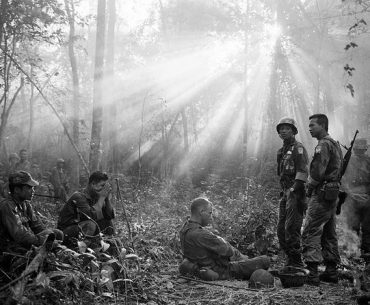



8th February, 2020. It’s 4 p.m. The weather is quite cold, and the sky is overcast. A biting breeze makes the air feel even sharper. The fading rays of the sun pierce through discontinuities in the cloud cover, casting golden patches of light here and there. Numerous cars whiz past the majestic entrance of the South Park Street Cemetery in central Kolkata, as two security guards – one on either side of the gate – look on with bored expressions on their faces. The South Park Street Cemetery, established in 1767 and known formerly as the Great Christian Burial Ground, was one of the earliest non-church cemeteries in the world. The cemetery is home to numerous graves and monuments, mostly belonging to British soldiers, diplomats, and their families. With a blend of Gothic, Egyptian, and classical Greek styles, the tombs and memorials present a striking and evocative sight. The cemetery…

The Playschool Teacher Miss Honey arrived every morning before the sun enveloped the classroom in its soft amber glow. She would place a fresh…
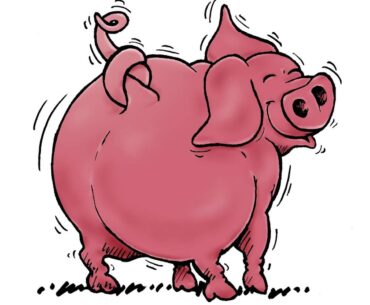
One day, a little pig named Butter awoke to discover he had lost his oink. He had been a great oinker since he was…
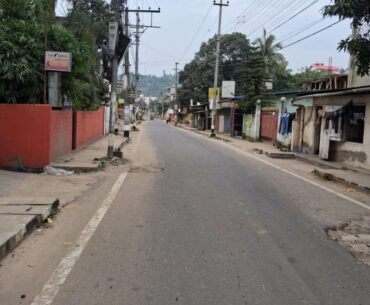
Widow Street. Quite a macabre name, isn’t it? The name doesn’t exist in any official document. But this was how the story goes. In…

“Dear Vipul. That was a wonderful occasion. Wasn’t it? For the annual day celebration of our company over a hundred employees from the Mumbai…

‘This is total shit, an outrage. I knew the government was crap, but I never thought it was that bad. And the King! What’s…

The woman hung the polythene sheet over the dripping leaves of the hedge, expertly running it under the tree’s low-hanging boughs. The child whimpered.…

6:00 pm “Dear, you’ll love Aunty Remi and her children, I promise you.” I said nothing, my gaze fixed out the car window. My…

Whenever she entered the classroom, Jameela felt like she had horns sprouting out of her head everyone stared at her strangely with wide eyes.…

Oh Akbash dog, we sing your praises; we have seen the unthinkable, the unimaginable, the impossible performed by you. Since you were a puppy,…
